

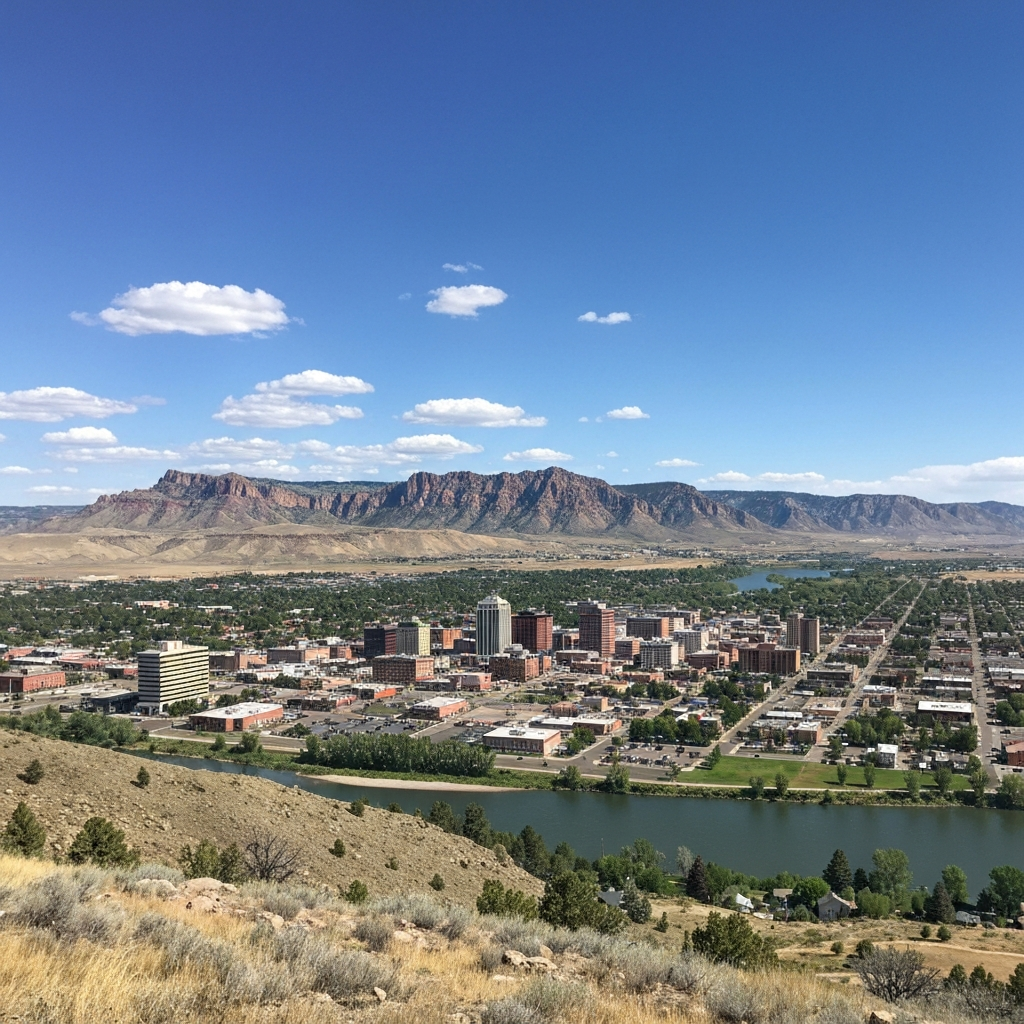
Billings, Montana, is characterized by a semi-arid climate, featuring hot summers and cold winters. This climate classification results in distinct seasonal variations that influence daily life and the local environment.
Seasonal Weather Patterns
During the summer months, temperatures in Billings can reach up to 90°F (32°C) or higher, with July being the warmest month, averaging a high of 88°F (31°C). Despite the heat, the city enjoys relatively low humidity levels, making the warmth more tolerable. Winters are cold, with average lows dipping to 19°F (-7°C) in January. Snowfall is common, averaging 46 inches annually, though it rarely accumulates significantly due to frequent thawing periods. The city’s location in a valley flanked by the Rimrocks contributes to these temperature fluctuations and can lead to rapid weather changes.
Environmental Considerations
Billings’ geography and industrial activities present unique environmental challenges. The presence of two major oil refineries within city limits contributes to air quality concerns, particularly during winter temperature inversions when pollutants can become trapped in the valley. Residents in lower-lying neighborhoods may notice the effects more acutely during these periods.
Water quality is another important consideration. The Yellowstone River, from which Billings sources its drinking water, is generally of good quality. However, the river carries the cumulative impacts of upstream activities, including agriculture and small-town wastewater discharges. Additionally, the local refineries have operated for decades, raising concerns about potential water pollution.
Adapting to the Climate
Understanding and adapting to Billings’ climate is essential for residents and visitors alike. The city’s semi-arid conditions mean that while summers can be hot, the low humidity often makes the heat more bearable. Winters, though cold, are interspersed with warmer periods due to Chinook winds, providing occasional respite from the chill. Being prepared for rapid weather changes and staying informed about environmental factors can help individuals make the most of what Billings has to offer.