

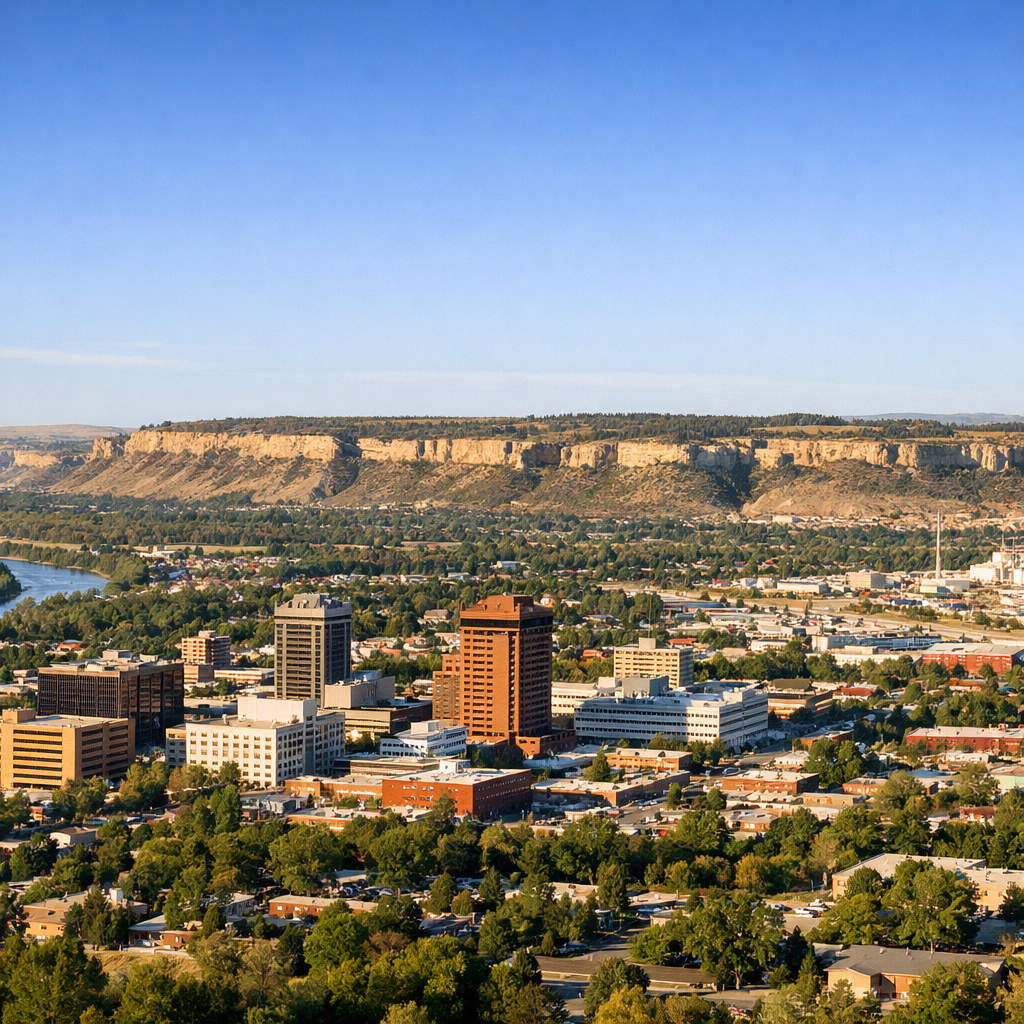
Billings, Montana, offers a unique climate characterized by its semi-arid conditions, marked by hot summers and cold winters. Understanding these patterns is essential for residents to navigate and appreciate the local environment.
Seasonal Overview
Summer
Summers in Billings are typically hot and dry, with average high temperatures reaching around 89°F (32°C) in July. The season is known for its clear skies and low humidity, making it ideal for outdoor activities. However, residents should be mindful of the increased risk of wildfires during this period due to dry conditions.
Winter
Winters are cold and snowy, with average low temperatures dropping to approximately 19°F (-7°C) in January. Snowfall averages around 46 inches annually, often accompanied by strong winds. The city’s location in a valley can lead to temperature inversions, occasionally resulting in air quality concerns during the colder months.
Spring and Fall
Spring and fall serve as transitional seasons, offering milder temperatures and varying precipitation. Spring can bring rapid weather changes, including sudden warm-ups due to Chinook winds. Fall is generally pleasant, with cooler temperatures and less precipitation, providing a comfortable environment before the onset of winter.
Environmental Considerations
Air Quality
Billings’ geography, situated in a valley flanked by the Rimrocks, can lead to air quality issues, especially during winter temperature inversions. Additionally, the presence of local industries contributes to air pollution levels. Residents with respiratory conditions should stay informed about air quality reports and take necessary precautions during periods of poor air quality.
Climate Change Impacts
Recent analyses indicate that Billings has experienced measurable shifts in key climate parameters over the past 16 years, contributing to a Very High climate change severity score. These changes include increased temperatures, variations in annual rainfall, and changes in humidity levels. Such trends underscore the importance of community awareness and adaptation strategies to mitigate potential environmental challenges.
By staying informed about local climate patterns and environmental factors, residents can better prepare for seasonal changes and contribute to the sustainability of Billings’ unique environment.