

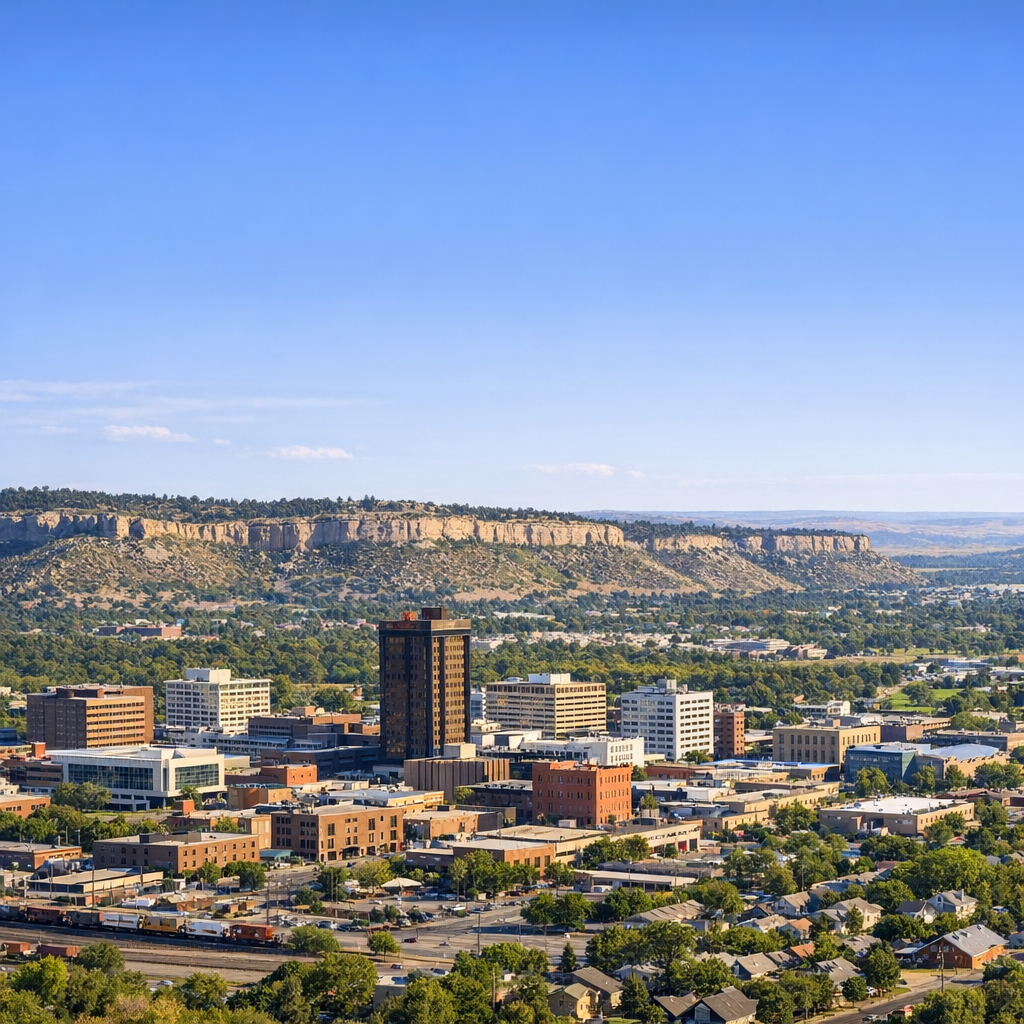
Billings, Montana, offers a unique climate characterized by distinct seasonal variations and environmental factors that residents should be aware of. Understanding these patterns can help in planning daily activities and preparing for seasonal changes.
Seasonal Overview
Winter
Winters in Billings are cold and snowy, with average temperatures often dropping below freezing. The city averages 46 inches of snow annually, which is higher than the national average of 28 inches. Despite the snowfall, frequent thawing periods prevent significant accumulation. Residents should be prepared for rapid weather changes, as conditions can shift quickly during this season.
Spring
Spring brings a mix of weather conditions, including unseasonably warm stretches and wet snowfall. This season is marked by wide variations in weather, offering a refreshing and rejuvenating atmosphere as perennials sprout and grass begins to green.
Summer
Summers are typically hot and dry, with temperatures reaching up to 90°F or more during the day. The average annual precipitation is around 13.5 inches, with most rainfall occurring during late spring and early summer thunderstorms. Residents can expect long, sun-drenched days, making it an ideal time for outdoor activities.
Fall
Autumn in Billings is characterized by cooler temperatures and a gradual transition into winter. This season offers a comfortable climate with moderate temperatures, providing an excellent opportunity to enjoy the changing foliage and outdoor events.
Environmental Considerations
Air Quality
Billings’ geography, situated in a valley flanked by the Rimrocks, can lead to air quality concerns, especially during winter temperature inversions. The presence of oil refineries within city limits contributes to industrial air quality issues. Residents with respiratory sensitivities should be mindful of these factors, particularly during still winter days.
Climate Change Impacts
Over the past 16 years, Billings has experienced measurable shifts in key climate parameters, contributing to a Very High climate change severity score. Notable changes include a temperature increase of approximately 4°C and a 2.3% variation in annual rainfall. These indicators suggest worsening climate conditions, emphasizing the need for residents to stay informed and consider adaptation strategies.
Conclusion
Understanding the climate and environmental factors in Billings is essential for residents to navigate seasonal changes effectively. Staying informed about weather patterns and potential environmental concerns can enhance the quality of life and preparedness for the diverse conditions experienced in the region.