
Billings, Montana, offers a unique climate characterized by distinct seasonal variations and environmental factors that residents should be aware of. Understanding these patterns can help in planning activities and preparing for weather-related challenges.
Seasonal Overview
Winter
Winters in Billings are cold and snowy, with average low temperatures around 19°F (-7°C) in January. Snowfall averages 46 inches annually, often accompanied by strong winds. The city’s location in a valley can lead to temperature inversions, trapping cold air and occasionally affecting air quality. Residents should be prepared for icy conditions and potential travel disruptions during this season.
Spring
Spring brings a mix of weather conditions, including rapid temperature changes and occasional storms. Average high temperatures in March reach 50°F (10°C), gradually warming to 60°F (16°C) by May. This season also sees increased precipitation, with May averaging 2.36 inches of rainfall, making it the wettest month of the year. It’s a time of renewal, with blooming flora and longer daylight hours.
Summer
Summers are warm and dry, with average high temperatures peaking at 89°F (32°C) in July. The city enjoys approximately 205 sunny days per year, providing ample opportunities for outdoor activities. However, the dry conditions can elevate the risk of wildfires, so residents should stay informed about fire safety measures and any local advisories.
Autumn
Autumn sees a gradual cooling, with average high temperatures decreasing from 75°F (24°C) in September to 47°F (8°C) in November. This season is marked by colorful foliage and generally stable weather, making it a pleasant time for outdoor pursuits before the onset of winter.
Environmental Considerations
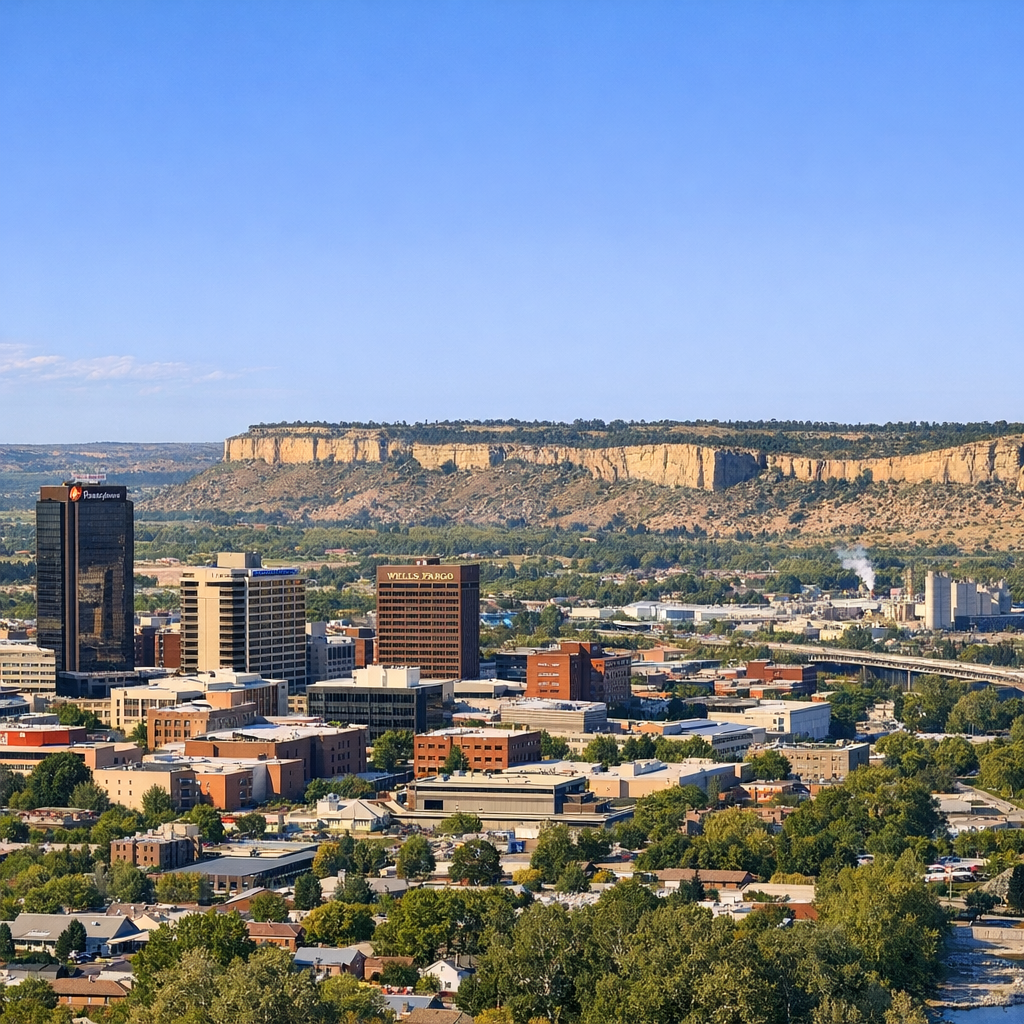
Billings’ semi-arid climate and geographical features contribute to its unique environmental conditions. The city’s elevation of approximately 3,100 feet (950 meters) results in cooler temperatures compared to lower elevations. Additionally, the surrounding Rimrocks and Yellowstone River valley create microclimates that can influence local weather patterns.
Residents should also be aware of potential air quality issues, particularly during winter inversions and wildfire season. Monitoring local air quality reports and taking necessary precautions can help mitigate health risks associated with poor air quality.
By understanding the seasonal and environmental characteristics of Billings, residents can better prepare for the diverse weather conditions and enjoy all that the region has to offer throughout the year.