
By William Smith
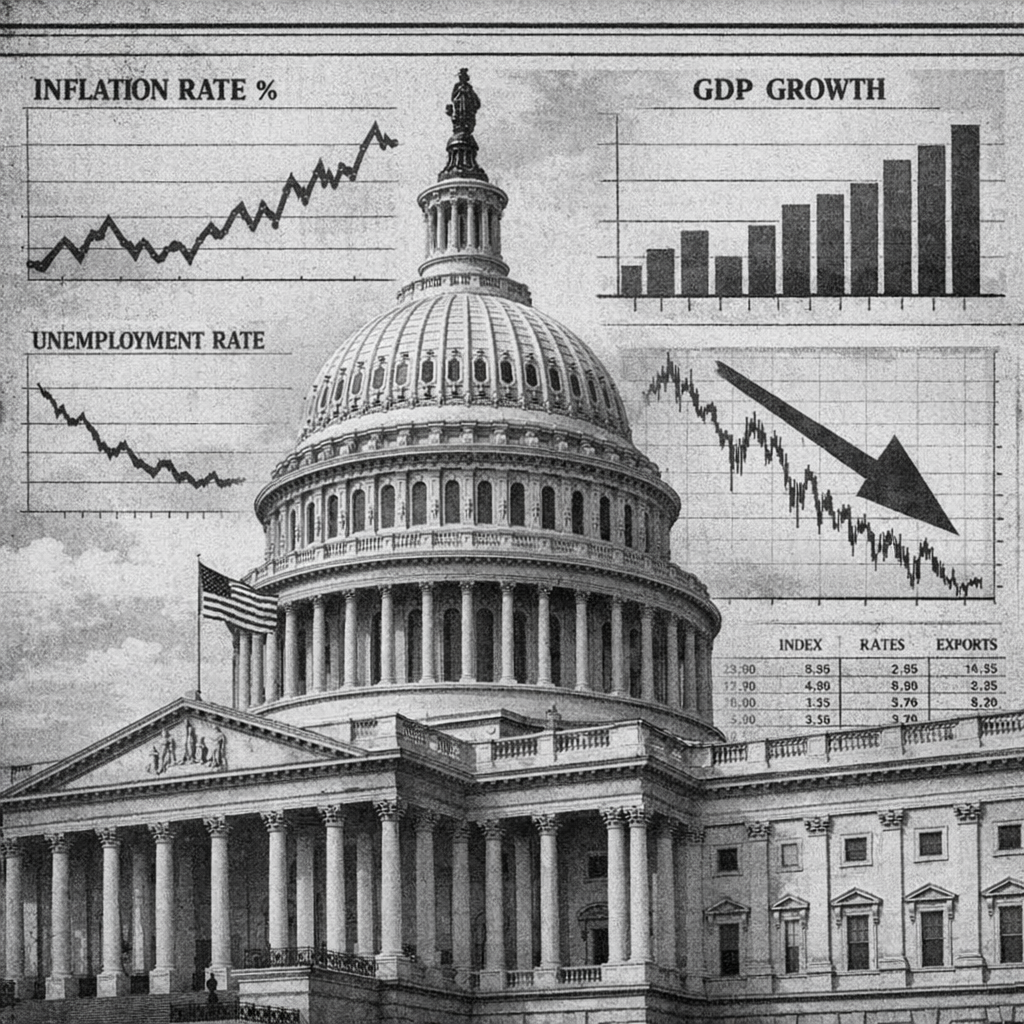
Across the country, recent data reveal a U.S. economy at a crossroads: employment is bouncing back, but inflation, while easing in some areas, still presses hard against household budgets. These shifts stretch beyond statistics — they’re reshaping votes, policies, and debates at every level of government.
Jobs Surge While Inflation Persists
In August, U.S. job growth surged by about 162,000 positions, building on weaker months earlier in the year. Such strength in hiring immediately turns attention back to price pressures and whether the Federal Reserve might ease—or tighten—its approach to interest rates.
Yet inflation stands firm. The annual Consumer Price Index rose roughly 3.4 percent for all items, with core inflation (excluding food and energy) near 2.5 percent. While energy costs have moderately cooled since early in the year, housing and services continue to climb. Food prices are increasing steadily as well.
Political Fallout and Party Challenges
With midterm elections on the horizon, both major parties find themselves grappling with internal divisions. Democrats are trying to balance calls for progressive reforms — such as tackling health care cost and climate action — with centrist priorities that appeal to moderates. At the same time, Republicans are wrestling with core messages about economic themes, immigration, and the role of government.
These fissures play out in primaries and candidate messaging, and ultimately could alter outcomes in closely contested districts. Voters nationwide cite inflation, health care costs, and economic inequality as top concerns — issues that tend to cross party lines.
What It All Means for Americans
For families in Montana or elsewhere, these national trends translate to tighter budgets and unease about the future. Rising rents, unpredictable utility expenses, and price increases at the grocery store weigh heaviest on lower- to middle-income households.
Public sentiment reflects this concern. While economic reports show resilience, many Americans rate the national economy negatively. Policy decisions — from interest rate moves to tax changes — will be judged harshly in comparison to daily pressures at the cash register.
Looking Ahead
- Expect the Federal Reserve to remain cautious. No dramatic rate cuts are likely until inflation shows stronger signs of easing.
- Watch for fiscal proposals from Congress aimed at cost-of-living relief, infrastructure, or health care.
- Election campaigns will increasingly tie economic performance to national leadership; candidates who can speak credibly on both jobs and inflation may gain advantage.