

Recent reports have highlighted cases of hantavirus in various parts of the United States, raising concerns about this rare but serious disease. Understanding how hantavirus is transmitted, recognizing its symptoms, and knowing preventive measures are crucial for public health.
What is Hantavirus?
Hantavirus is a group of viruses primarily carried by rodents, particularly deer mice. Humans can contract the virus through direct contact with infected rodents or their droppings, urine, or saliva. Inhalation of aerosolized particles from these sources is the most common transmission route.
Symptoms and Risks
Early symptoms of hantavirus infection include fatigue, fever, and muscle aches, particularly in the thighs, hips, back, and shoulders. These can progress to more severe respiratory issues, such as coughing and shortness of breath, which may develop into Hantavirus Pulmonary Syndrome (HPS), a potentially fatal condition.
Preventive Measures
To reduce the risk of hantavirus infection:
- Seal up holes and gaps in homes to prevent rodent entry.
- Keep food in rodent-proof containers and dispose of garbage promptly.
- Use traps to reduce rodent populations.
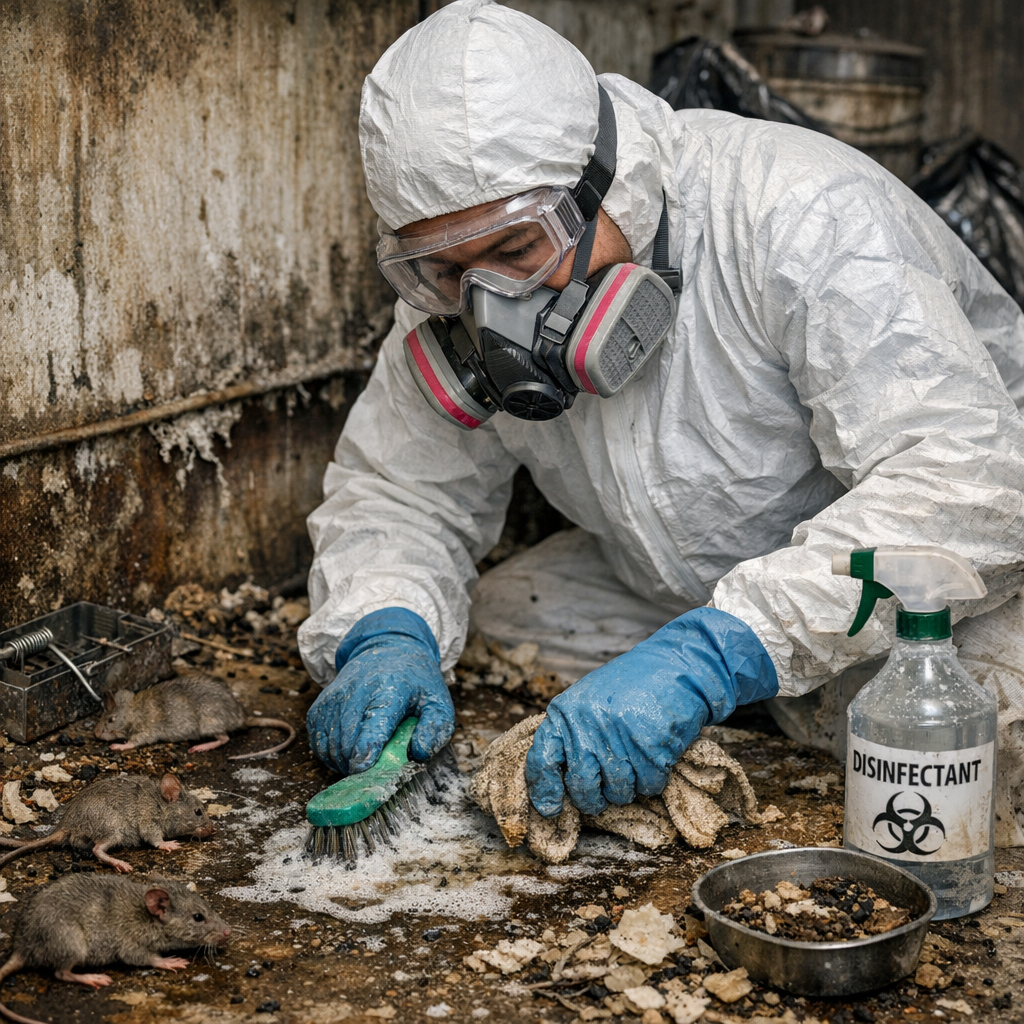
- Avoid sweeping or vacuuming areas with rodent droppings; instead, use wet cleaning methods with disinfectants.
While hantavirus cases are rare, staying informed and taking preventive actions can significantly reduce the risk of infection.