

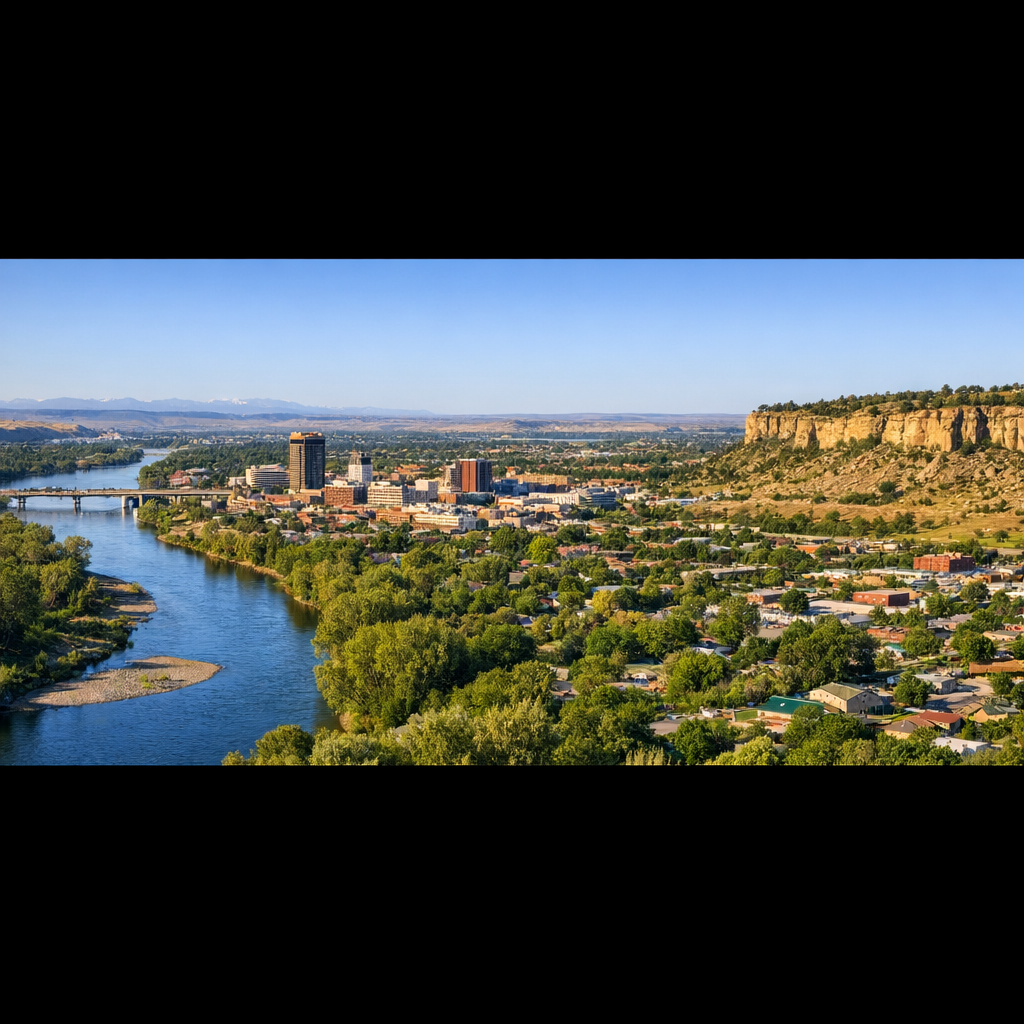
Billings, Montana, offers a distinctive climate characterized by its semi-arid conditions, marked seasonal changes, and unique geographical influences. Understanding these patterns is essential for residents and visitors alike.
Seasonal Overview
Winter
Winters in Billings are cold and snowy, with average low temperatures around 19°F (-7°C) in January. Snowfall averages 46 inches annually, often melting quickly due to frequent thawing periods. The city’s location in a river valley provides some shelter from harsher northern climates.
Spring
Spring brings variable weather, transitioning from cold to milder temperatures. This season is marked by increasing daylight and the rejuvenation of local flora.
Summer
Summers are warm and dry, with average high temperatures reaching 89°F (32°C) in July. The city enjoys approximately 205 sunny days per year, making it ideal for outdoor activities.
Autumn
Autumn features cooler temperatures and a gradual shift to winter conditions. This period offers comfortable weather and vibrant fall foliage.
Geographical Influences
Billings’ elevation of approximately 3,100 feet (950 meters) above sea level contributes to its climate. The higher altitude results in cooler temperatures and lower humidity compared to lower elevations. Additionally, the surrounding Rimrocks and Yellowstone River valley create microclimates, affecting local weather patterns.
Environmental Considerations
While Billings boasts a generally mild climate, certain environmental factors warrant attention. The presence of oil refineries within city limits can impact air quality, particularly during winter inversions when pollutants may become trapped in the valley. Residents with respiratory sensitivities should be aware of these conditions.
Understanding Billings’ climate and environmental factors enables residents to better prepare for seasonal changes and appreciate the unique weather patterns that define our region.