

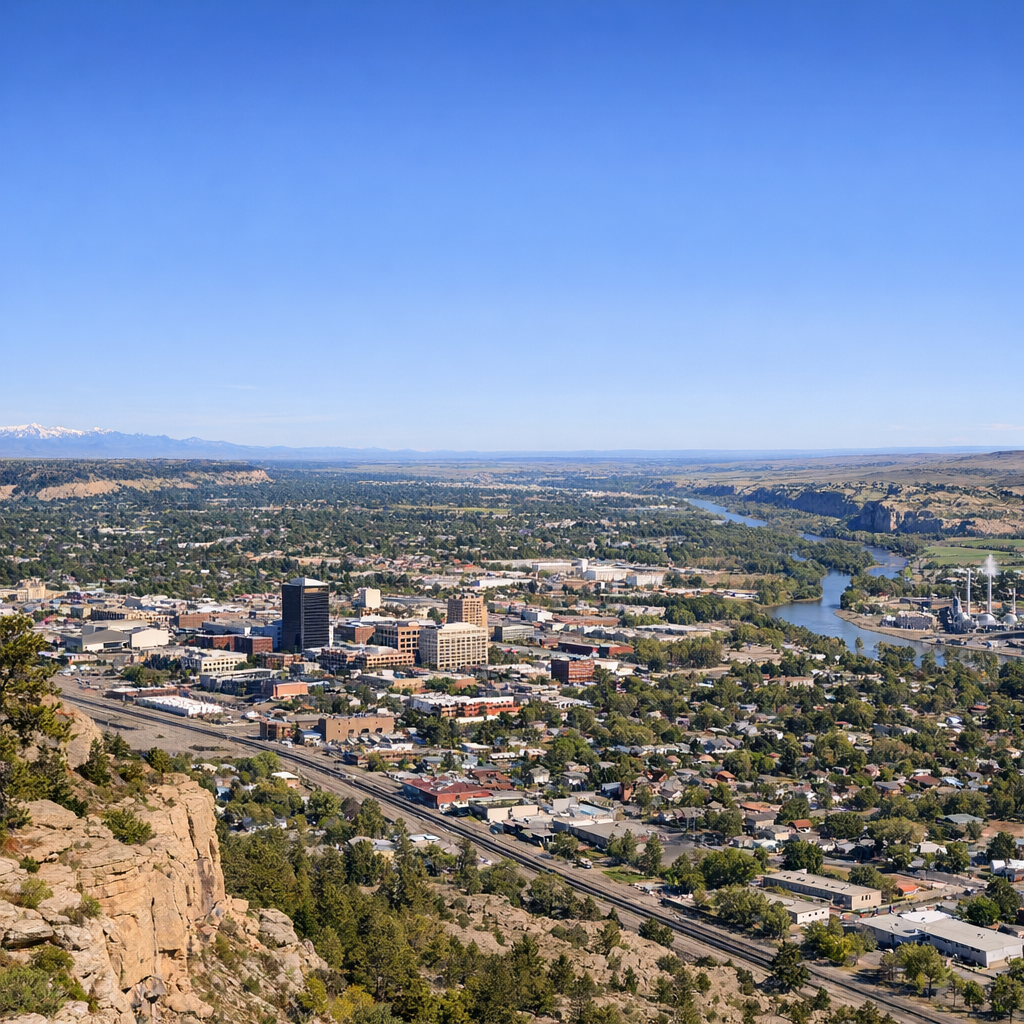
Billings, Montana, situated in the heart of Big Sky Country, experiences a semi-arid climate characterized by distinct seasonal variations. Understanding these patterns is essential for residents and visitors alike.
Seasonal Temperature Fluctuations
Billings’ climate features warm summers and cold winters. Average high temperatures in July reach approximately 88.9°F (31.6°C), while January sees average lows around 14.5°F (-9.7°C). Such fluctuations necessitate preparedness for both heat and cold throughout the year.
Precipitation and Snowfall
The city receives an average annual precipitation of about 14 inches, with May being the wettest month, averaging 2.36 inches. Snowfall is significant, averaging 46 inches per year, predominantly occurring from October through April. This snowfall contributes to the region’s water resources but also requires residents to be prepared for winter conditions.
Wind Patterns
Billings experiences notable wind activity, particularly during the winter months. January, for instance, averages wind speeds of 22 mph. These winds can lead to rapid weather changes, including sudden warm-ups due to Chinook winds, which are common in the region.
Environmental Considerations
Climate change poses challenges to Billings’ environment. Projections indicate an increase in the number of extremely hot days, with temperatures exceeding 96.2°F expected to rise from about 7 days annually in 1990 to approximately 34 days by 2050. Additionally, about 71% of buildings in Billings are at risk of wildfire, with the risk level for these buildings being high. These factors underscore the importance of proactive environmental management and community preparedness.
Understanding Billings’ climate is crucial for planning daily activities, agricultural practices, and infrastructure development. Staying informed about weather patterns and environmental changes enables the community to adapt and thrive amidst evolving climatic conditions.