
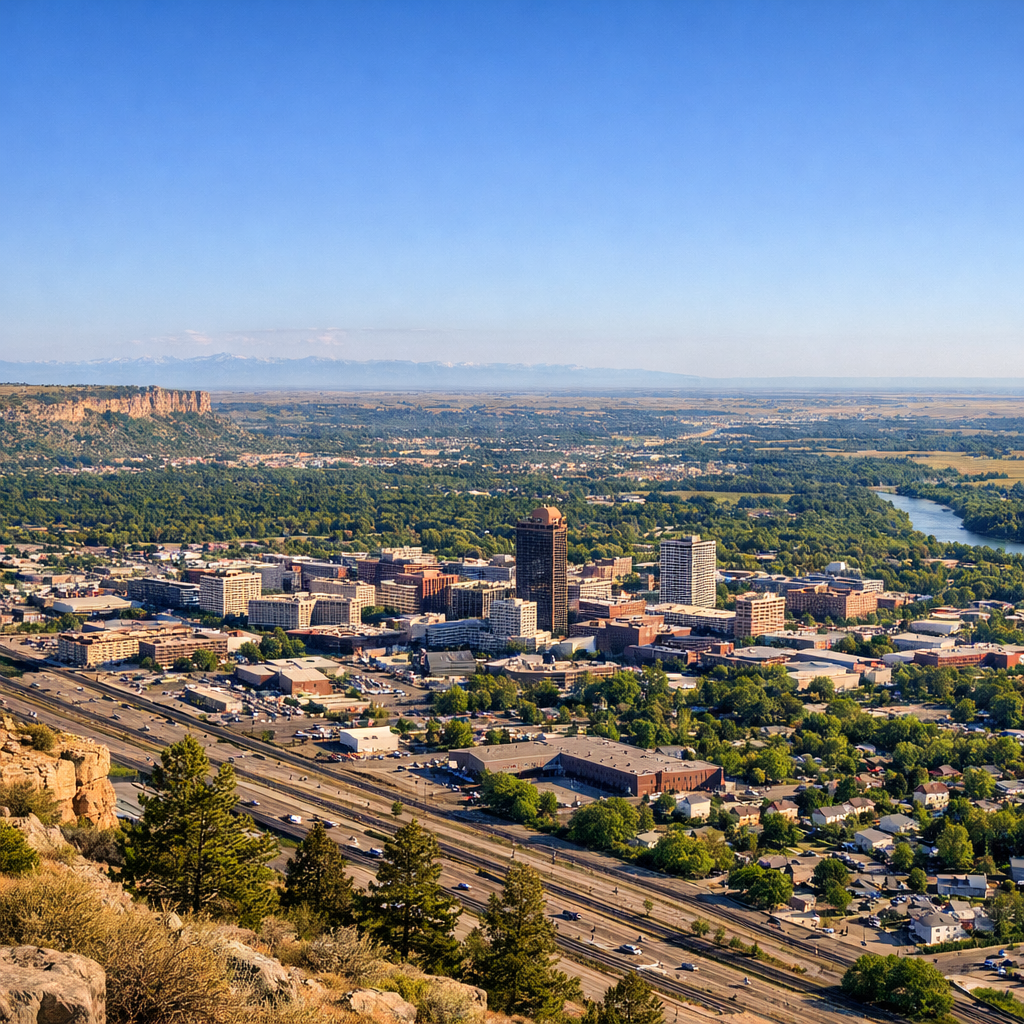
Billings, Montana, experiences a semi-arid climate characterized by hot summers and cold winters. Understanding these seasonal patterns is essential for residents and visitors alike.
Summer: Warm and Dry
Summers in Billings are typically warm and dry, with average high temperatures reaching around 88.9°F (31.6°C) in July. Precipitation during this season is relatively low, averaging 1.31 inches in July. These conditions are ideal for outdoor activities, but it’s important to stay hydrated and protect against sun exposure.
Winter: Cold and Snowy
Winters are cold, with average low temperatures dropping to 14.5°F (-9.7°C) in January. Snowfall is common, averaging 46 inches annually. Residents should prepare for snowy conditions by winterizing their homes and vehicles and staying informed about weather forecasts.
Spring and Fall: Transitional Seasons
Spring and fall serve as transitional periods with variable weather. Spring temperatures gradually rise, with average highs reaching 59.9°F (15.5°C) in April. Fall sees a gradual cooling, with average highs of 62.1°F (16.7°C) in October. These seasons can bring unpredictable weather, so it’s advisable to dress in layers and be prepared for sudden changes.
Environmental Considerations
Billings’ climate also presents environmental challenges. For instance, the city has faced issues with arsenic contamination in water sources, with levels detected at 5.00 ppb—1,250 times above health guidelines, though still below the federal legal limit of 10 ppb. Ongoing monitoring and treatment efforts are essential to ensure water safety.
By understanding and preparing for Billings’ diverse climate, residents can better navigate the seasonal changes and contribute to the community’s resilience against environmental challenges.